
A Pioneering Project
In May 2022, in response to the Impact Climate Initiative by Colleges and Institutes Canada, a pioneering project was launched aimed at reducing greenhouse gas emissions and enhancing food sovereignty for rural and Indigenous communities.
The initiative, highlighted in a session on December 13, 2023, showcased the collaborative efforts to develop a 10-year forest management plan for the 650 acres of forested land at the college’s Drive Campus.
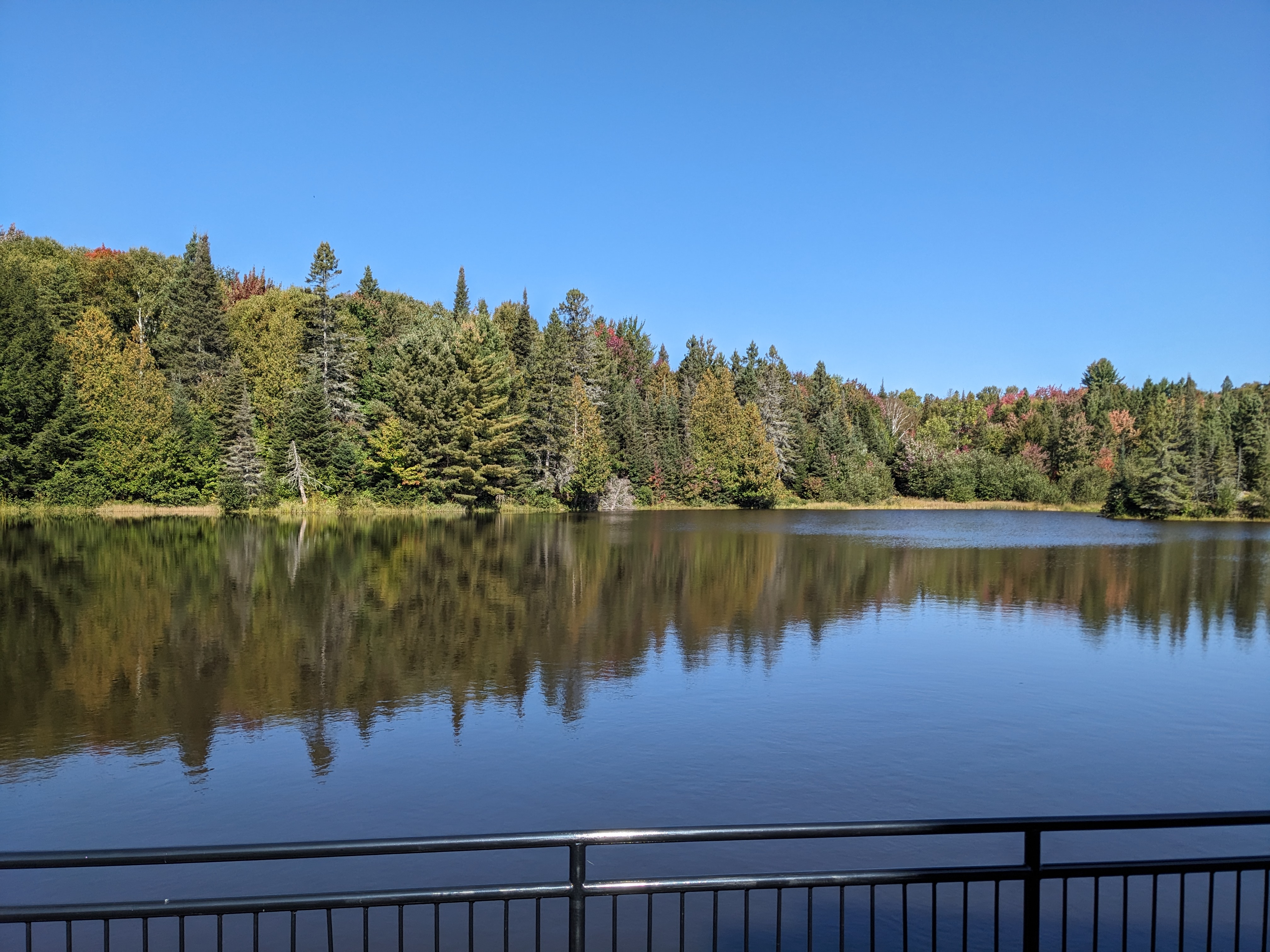
This land, rich in biodiversity, serves as a living lab for students, staff, and community partners, including the Nipissing First Nation, to engage in sustainable forestry practices and research. Here’s our story…so far.
Key Highlights
- Initiative Introduction: The project aimed at utilizing the off-Grid Grow pod to reduce embodied carbon in food production, supporting climate-resistant solutions for food sovereignty.
- Living Labs Recognition: For the second year, the project was selected as one of the 10 nationwide Living Labs, focusing on forest health assessment and biodiversity.
- Community and Indigenous Engagement: A smudging ceremony at Great Lynx Lodge and consultations with Indigenous communities emphasized respect for the land and Indigenous views on sustainability.
- Sustainable Forestry Coordination: Elliott Groen was appointed to lead data collection, inventory, and mapping to assess forest health and usage.
- Educational and Recreational Integration: The forest serves multiple uses, including research plots, ski and mountain bike trails, and spaces for forest bathing, highlighting its educational and therapeutic benefits.
- Biodiversity and Tree Planting: An increase in the tree count and the launch of biodiversity walks demonstrate the college’s commitment to environmental education and sustainability.
Key Groups Involved
- Colleges and Institutes Canada for their leadership and support.
- Indigenous communities, particularly the Nipissing First Nation, for their participation and insights.
- Students and faculty from various departments, contributing to and benefiting from the project.
- Community members, including a group of women over 50, emphasizing the health and recreational value of the forest.
- Sustainable Forestry Coordinators and environmental specialists, guiding the project’s technical and ecological aspects.
Conclusion
The project not only underscores the importance of sustainable forest management and biodiversity conservation but also fosters a deeper connection between the community, Indigenous peoples, and the natural world. By integrating educational objectives, recreational activities, and Indigenous perspectives, the initiative sets a precedent for holistic environmental stewardship. The commitment to the Sustainable Development Goals (SDGs) and the proactive steps taken to increase campus biodiversity and forest health reflect a forward-thinking approach to conservation. This initiative serves as a beacon of hope and action, reminding us of nature’s invaluable gifts and the collective responsibility to protect and cherish them for generations to come.